
Common Characters: Start With What You’ll Actually Use
Forget memorizing random strokes. We’ve identified the 50 characters that appear in everyday conversation and show you how to recognize them.
Why Start With These 50?
Most learners dive into random character lists and burn out within weeks. We’ve taken a different approach. By analyzing thousands of conversations, we’ve identified exactly 50 characters that make up roughly 70% of everyday Mandarin speech. That’s not just statistics — it’s your shortcut to real communication.
You’re not memorizing for a test. You’re building recognition so you can understand what people actually say when they’re ordering coffee, asking for directions, or chatting with friends. These characters appear constantly. Once you know them, you’ll start seeing them everywhere.
Recognition Before Writing
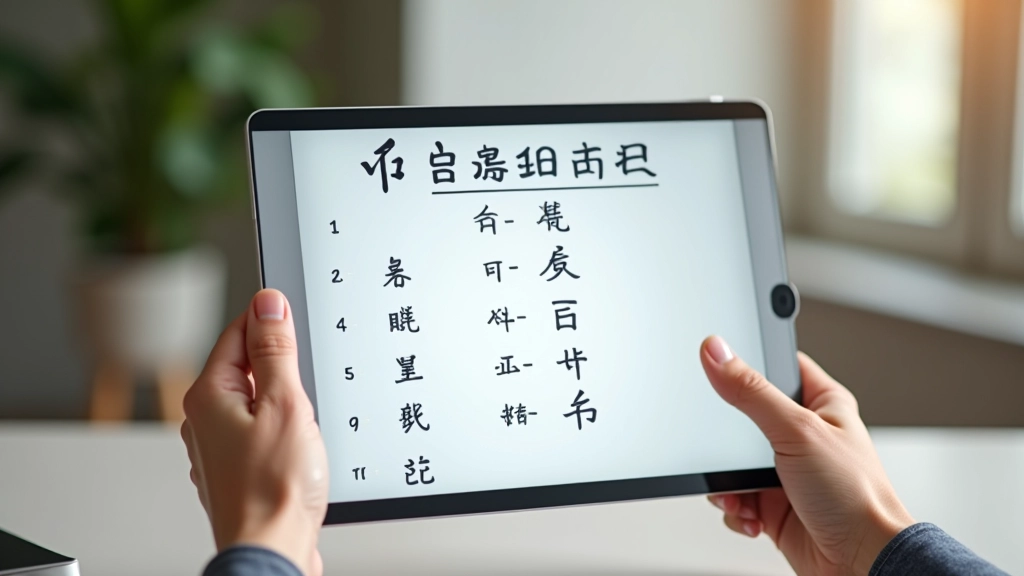
Here’s something that changes everything: you don’t need to write these characters. Not yet. The goal right now is recognition — seeing a character and understanding what it means. That’s genuinely useful. That’s what gets you through conversations.
We’re talking about characters like 你 (you), 的 (possessive marker), 是 (to be), 在 (at/in). These show up constantly. Once you can spot them, your brain starts connecting sounds, meanings, and context. Writing comes later. Speaking comes later. Recognition is where you build momentum.
The visual patterns matter too. Chinese characters aren’t random. They follow patterns. Radicals repeat. Once you recognize that the water radical 水 appears in characters related to liquids, or that 口 (mouth) appears in words about speaking, the system clicks into place faster.

How These 50 Are Organized
We’ve grouped them by frequency and context, not alphabetical order.
Core Pronouns & Verbs (12 characters)
你, 我, 他, 她, 是, 有, 在, 做, 去, 来, 要, 可. These are the foundation. You’ll see them in nearly every sentence. Master these first and everything else builds on them.
Question Words & Common Markers (8 characters)
什, 么, 吗, 的, 了, 呢, 吧, 哪. These shape meaning. 吗 turns statements into questions. 了 marks completion. 的 shows possession. Small characters, huge impact on understanding.
Numbers & Time (10 characters)
一, 二, 三, 四, 五, 六, 七, 八, 九, 十. Conversations involve numbers constantly — times, dates, prices, quantities. These unlock practical communication immediately.
Common Nouns & Daily Words (20 characters)
人, 手, 口, 心, 水, 火, 木, 天, 地, 年, 月, 日, 名, 字, 学, 生, 老, 小, 大, 家. These represent everyday objects and concepts. Once you recognize them, you’re reading actual sentences.

The Recognition Process: Week by Week
We’re talking about a realistic timeline here. Week one focuses on those core pronouns and verbs. You’ll see them everywhere. By day three or four, you’ll notice them in songs, videos, signs. That’s recognition working.
Weeks two and three add the question words and markers. This is when conversations start making sense. You’ll understand what’s being asked even if you don’t know every word. Week four brings in numbers and time. Now you can discuss schedules, dates, ages — practical stuff that matters in real life.
By week five, you’re adding common nouns. This is when reading gets exciting. Simple sentences become clear. You’re not just recognizing individual characters anymore — you’re reading meaning.
Tools That Actually Help
Recognition builds through repetition, but smart repetition beats mindless drilling. Here’s what works:
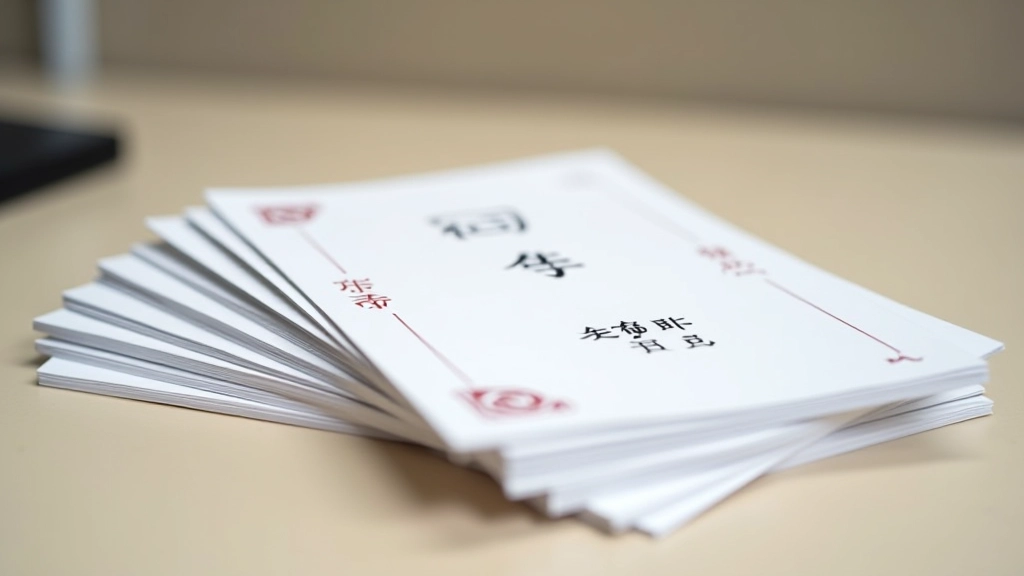
Flashcards with Context
Front side: character. Back side: the character PLUS a simple phrase. 你 (你好 – hello). 是 (他是学生 – he is a student). Context sticks better than isolated characters.
Visual Grouping by Radical
Characters share building blocks. The water radical 水 appears in 河 (river), 海 (ocean), 冷 (cold). Grouping by visual similarity helps your brain recognize patterns faster than learning them randomly.
Spaced Repetition Schedule
See a character, then revisit it after one day, three days, a week, two weeks. This spacing mimics how memory actually works. Apps handle this automatically, but even a simple system works if you’re consistent.
Real Media Exposure
After two weeks of study, start watching simple Chinese videos with subtitles. Listen for your 50 characters. You’ll hear them. You’ll recognize them. That reinforcement cements recognition in ways flashcards can’t.
What Happens After You Know These 50
Here’s the honest part: knowing 50 characters doesn’t make you fluent. It makes you functional. You can read simple signs. You understand basic conversations. You’re not lost in a text exchange with a patient friend.
But here’s what’s important — momentum. Once you recognize these 50, learning the next 100 becomes manageable. You understand stroke patterns. You’re comfortable with radicals. The next set of characters isn’t starting from zero, it’s building on what you know. That changes everything psychologically.
Plus, you’ll surprise yourself. You’ll be scrolling through a menu, see a character, and recognize it immediately. You’ll understand a text message without looking it up. That’s not small. That’s the moment learning becomes real.

Your Next Move
Don’t memorize 2,500 characters. Start with 50. Focus on recognition, not writing. Use context, not isolation. Give yourself 4-5 weeks of consistent practice — we’re talking 15-20 minutes daily, not hours.
You’ll be surprised how fast these embed themselves in your brain. They’re designed to be frequent. They’re designed to be useful. They’re designed so you actually use them, not just file them away.
That’s the whole point. Mandarin doesn’t have to be overwhelming. Start small. Start with what matters. Everything else follows.
About This Guide
This article is educational material based on frequency analysis of Mandarin Chinese conversation data and established language learning principles. Character frequency varies by context and region. Individual learning timelines differ — some learners progress faster, others need more time. Results depend on consistent practice and quality instruction. This isn’t a substitute for structured courses or interaction with native speakers, which significantly accelerate learning. Use this guide alongside other resources for best results.