
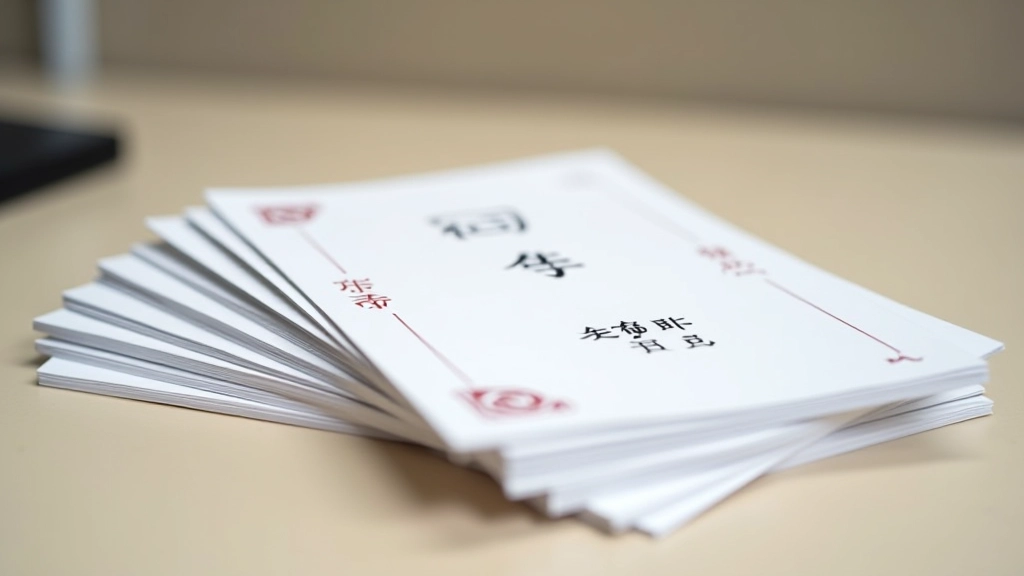
Common Characters: Start With What You’ll Actually Use
Forget memorizing random strokes. We’ve identified the 50 characters that appear in everyday conversation and built a learning path around them.
Read GuideLearn the romanization system that makes Chinese pronunciation approachable. Most beginners master the basics in just a few hours of practice.

Pinyin is the official romanization system for Mandarin Chinese. It’s essentially a phonetic representation using Latin letters—the same alphabet you’re reading right now. Instead of struggling with complex stroke patterns on day one, you’ll start by learning how Chinese actually sounds.
Here’s the thing: you don’t need to memorize characters first. We’ve trained hundreds of learners here in Canada who started with pinyin and found the transition to characters natural once they had solid pronunciation down. The sounds come first, then the written forms click into place.
Without pinyin, you’d be guessing at pronunciation. With it, you’ve got a clear roadmap for how each syllable should sound, and that confidence transforms everything about your learning journey.

Pinyin breaks down into two main components: initials and finals. Think of initials like consonants at the start of an English word, and finals as everything that follows—vowels or vowel combinations.
There are 21 initials in pinyin. Most are familiar—b, p, m, f work just like English. Others like “q” (sounds like “ch”), “x” (sounds like “sh”), and “zh” (sounds like “j”) need practice. We typically teach these in clusters based on how your mouth moves, not alphabetically.
Finals are vowel sounds that either stand alone or follow an initial. Some are simple—a, e, o, i, u. Others combine multiple vowels like “ai” (eye), “ei” (ay), “ao” (ow). Each final has a specific mouth position, and once you nail that position, you’re producing authentic Mandarin sound.
Mandarin uses four tones plus a neutral tone. Tones aren’t an accent—they’re fundamental to meaning. The syllable “ma” changes meaning entirely based on tone: it could mean mother, hemp, horse, or scold depending on pitch contour. That’s not a small detail.
Don’t panic though. Tones are marked with diacritics above vowels in pinyin (ā, á, ǎ, à). Once you recognize the pattern, you’ll see these marks and immediately know the pitch direction. Most beginners pick up basic tone recognition within a week of consistent practice.


Learning pinyin isn’t about memorization drills. It’s about building muscle memory in your mouth and ears. You’re training two things simultaneously: recognizing pinyin symbols and producing the sounds accurately.
Spend the first session just on initials. Say each one aloud repeatedly. Feel where your tongue sits, how your lips shape. B, p, m, f are easiest—they’re basically English. By day two you’ll tackle the trickier ones like q, x, zh, ch.
Once initials feel natural, layer in finals. Start simple: ba, pa, ma, fa. Then move to finals with multiple vowels. The combination process trains your mouth to move smoothly from initial to final, which is crucial for authentic pronunciation.
Practice actual Mandarin words, not isolated syllables. Instead of just saying “ma,” say “māma” (mother). This anchors tone patterns to meaning and makes the whole system feel less abstract. You’re building real vocabulary from week one.
Here’s what realistic progress looks like when you’re consistent with practice
Master all 21 initials and basic vowels. You’ll recognize pinyin symbols and produce recognizable sounds. It won’t be perfect, but it’s real progress.
Combine initials and finals smoothly. Start recognizing tone marks. You’ll read basic pinyin sentences aloud with decent accuracy—maybe 80% of the way there.
Read any pinyin text and sound authentically Mandarin. Tones feel natural. You’re ready to move into character learning or conversational practice. Most learners reach this point with 30-60 minutes daily practice.
We’ve watched thousands of learners start pinyin. The same patterns show up repeatedly, and they’re all fixable.
Some learners skip tone marks initially thinking they’ll “pick them up later.” That doesn’t work. Tones change meaning, so you’re literally learning different words. Don’t skip them—they’re part of correct pronunciation from day one.
These feel strange at first because English doesn’t have exact equivalents. But they’re consistent. “Q” always sounds like “ch” in “cheese.” “X” always sounds like “sh” in “she.” Once you nail the mouth position, you’re done. No need to agonize over slight variations.
Silent study won’t build pronunciation skills. You’ve got to speak, hear yourself, adjust. Pinyin is useless if you can read it but can’t say it. That’s the whole point—it’s your guide to sound.

Pinyin is genuinely your fastest path into Mandarin. You’ll go from “I can’t read Chinese at all” to “I can pronounce anything written in pinyin” in about a month of consistent practice. That’s not hype—it’s what we see repeatedly with learners here in Canada who commit to the process.
The real magic happens when you stop thinking about pinyin as a separate system and start seeing it as the bridge between English sound and Mandarin reality. Once that clicks, character learning becomes intuitive, and actual conversation becomes possible.
Now that you understand pinyin fundamentals, explore the actual characters you’ll use most. We’ve identified the 50 essential characters that appear in everyday conversation—master those and you’re having real interactions.
Explore Essential CharactersThis article provides educational information about pinyin and Mandarin pronunciation fundamentals. Learning timelines and progress expectations are based on typical learner experiences and assume consistent daily practice. Individual results vary based on prior language learning experience, practice frequency, and learning style. For personalized instruction or feedback on pronunciation accuracy, we recommend working with qualified language instructors. This guide is informational and isn’t a substitute for professional language instruction.
Explore related guides to deepen your Mandarin foundation
Forget memorizing random strokes. We’ve identified the 50 characters that appear in everyday conversation and built a learning path around them.
Read Guide
Four tones control meaning in Mandarin. We break down each one with audio examples and show you exactly how to practice them.
Read Guide
Online courses, community groups, and apps. We’ve tested the options available in Canada and share what actually moves the needle.
Read Guide